
Neural Networks Explained
How machines learn from examples. Neural networks learn by adjusting millions of tiny numbers until their guesses improve. A plain-English guide to the engine behind modern AI.
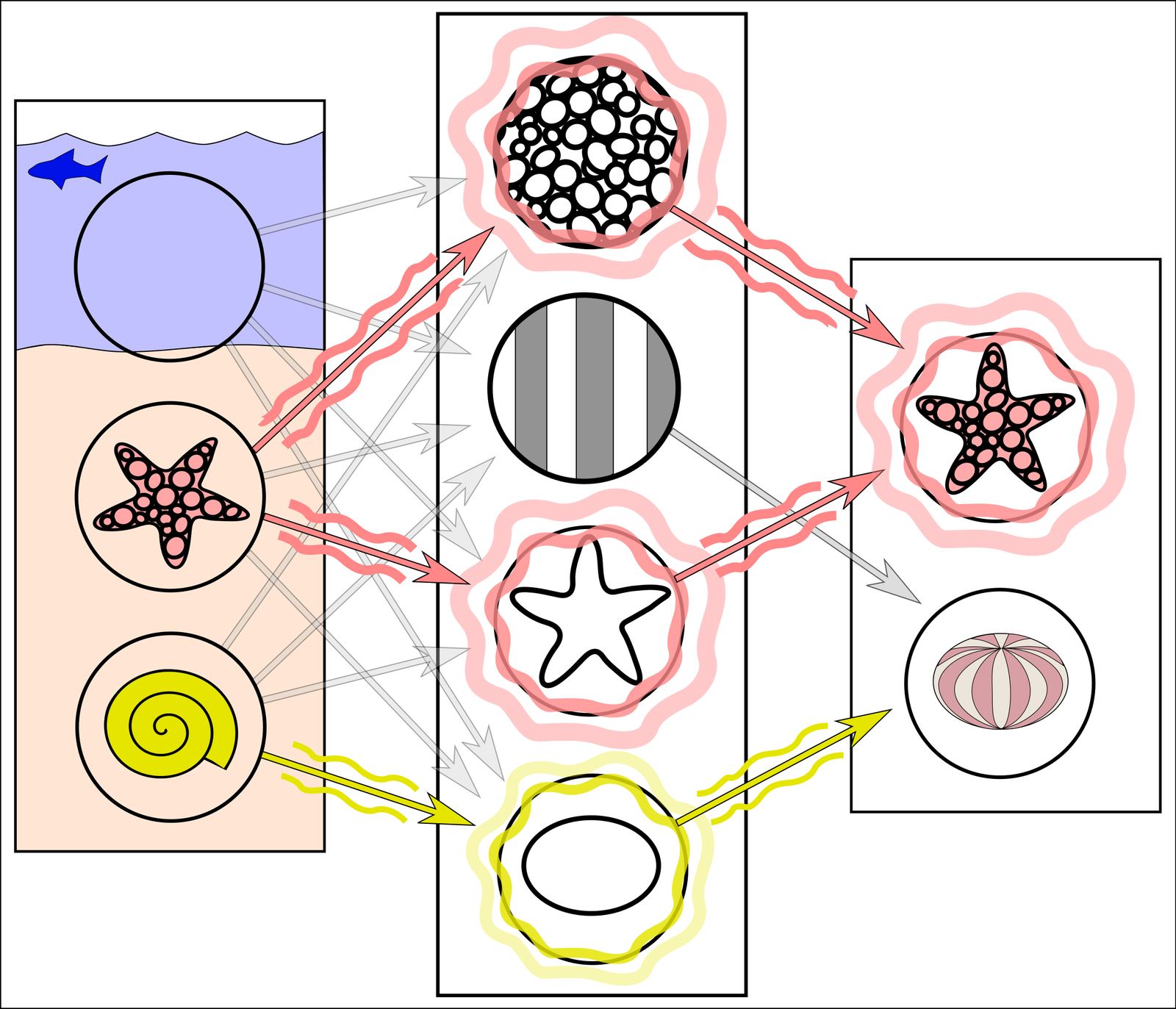
A simple network linking features to answers: Mikael Häggström, M.D., CC0
Many small calculators wired together
A neural network is a large collection of simple units, often called neurons, arranged in layers. Each unit takes in some numbers, multiplies each by a weight, adds them up and passes the result through a simple rule that decides how strongly it fires. The output of one layer becomes the input of the next.
On its own, one unit is not smart. The power comes from scale. With enough units and layers, the network can represent very complicated patterns, such as which arrangements of pixels look like a cat or which words tend to follow a phrase.
Video: But what is a neural network? | Deep learning chapter 1 (3Blue1Brown), embedded from YouTube.
Learning by being wrong, slightly less each time
A new network starts with random weights and makes terrible guesses. Training fixes that. You show it an example, compare its answer with the correct one, and measure the error. An algorithm called backpropagation then works out how much each weight contributed to that error, and gradient descent nudges every weight a tiny step in the direction that would have helped.
Repeat that millions of times across a large dataset and the weights settle into values that work. Nobody writes the rules by hand. The network discovers useful features on its own, edges and textures in early layers, shapes and objects in later ones.
A long road to success
The idea is old. Warren McCulloch and Walter Pitts described artificial neurons in 1943, Frank Rosenblatt described the perceptron in 1958, and his Mark I Perceptron machine, shown publicly in 1960, learned to recognize simple images. Enthusiasm faded when early networks hit hard limits. In 1986 a paper by David Rumelhart, Geoffrey Hinton and Ronald Williams helped popularize backpropagation for multi-layer networks.
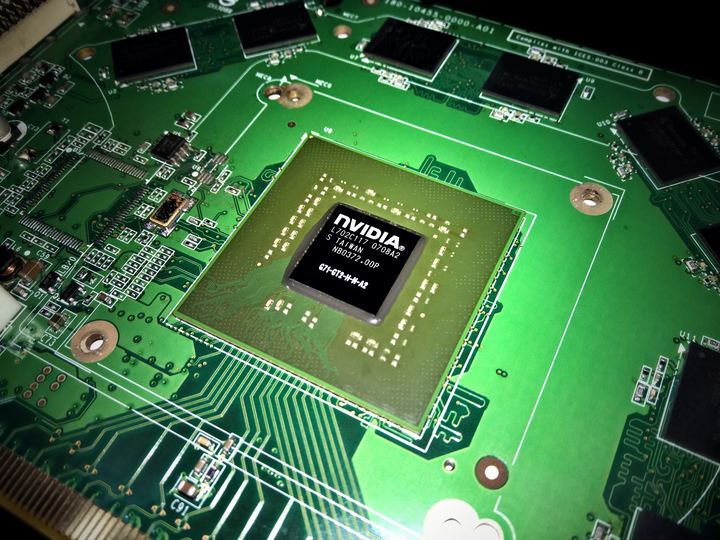
The real breakthrough came in 2012, when a deep network called AlexNet won a major image recognition contest by a wide margin. It was trained on graphics chips using a large labeled photo collection. Data, computing power and better methods had finally lined up.
Where you meet them
Neural networks now power speech recognition, photo search, translation, spam filters, recommendation feeds and chatbots. Different shapes suit different jobs: convolutional networks for images, and Transformers for language and much more. All share the same basic recipe of weighted connections tuned by example, which is why understanding this one idea unlocks most of modern AI.
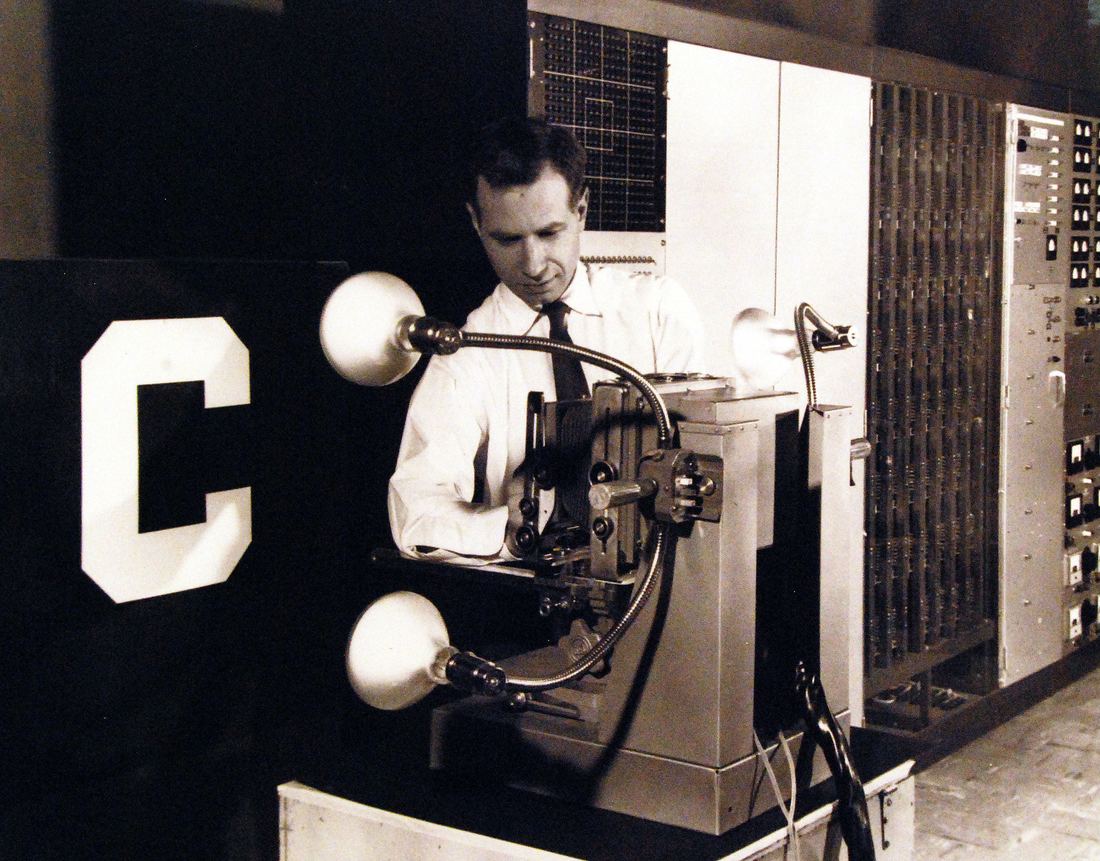
- Wikipedia: Perceptron
- Wikipedia: AlexNet
- NobelPrize.org: The Nobel Prize in Chemistry 2024, Popular information
Facts on this page were checked against these sources.
- A simple network linking features to answers: Mikael Häggström, M.D., CC0
- The Mark I Perceptron, an early learning machine: National Museum of the U.S. Navy, Public domain
Text written by Strawberry Lemonadai.
← AlphaFold and the 2024 Chemistry NobelLarge Language Models Explained →






_(20897323365).jpg)